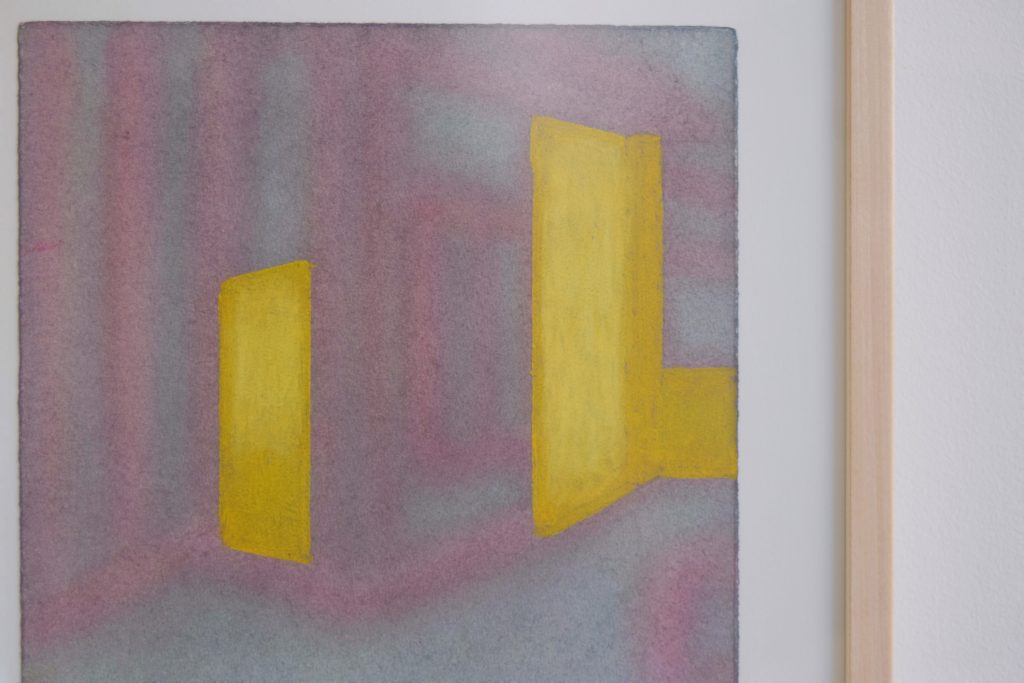
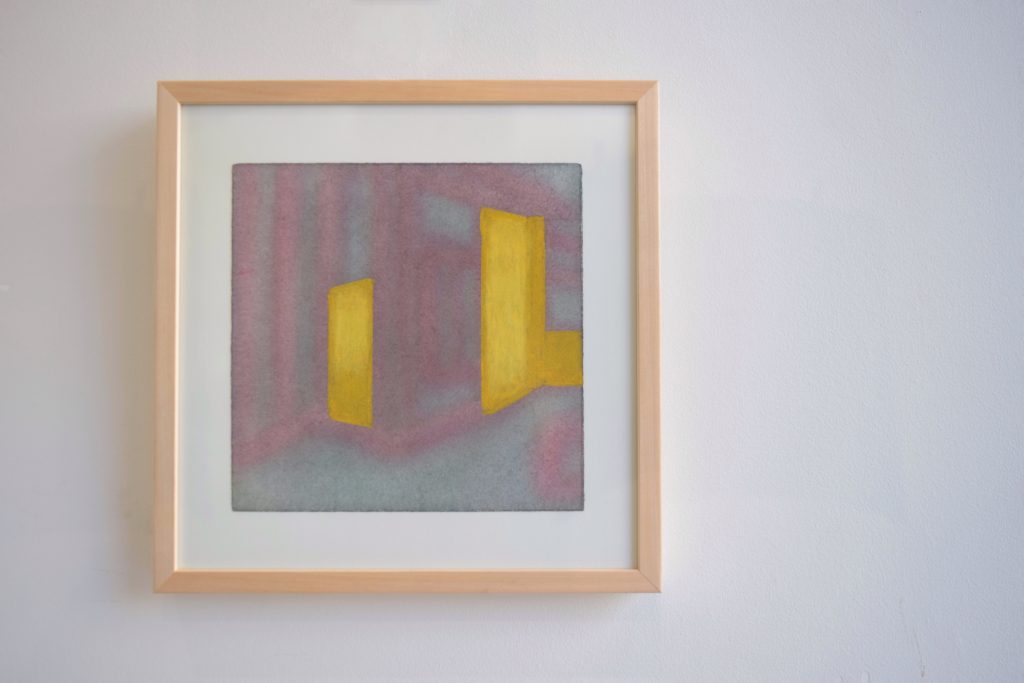
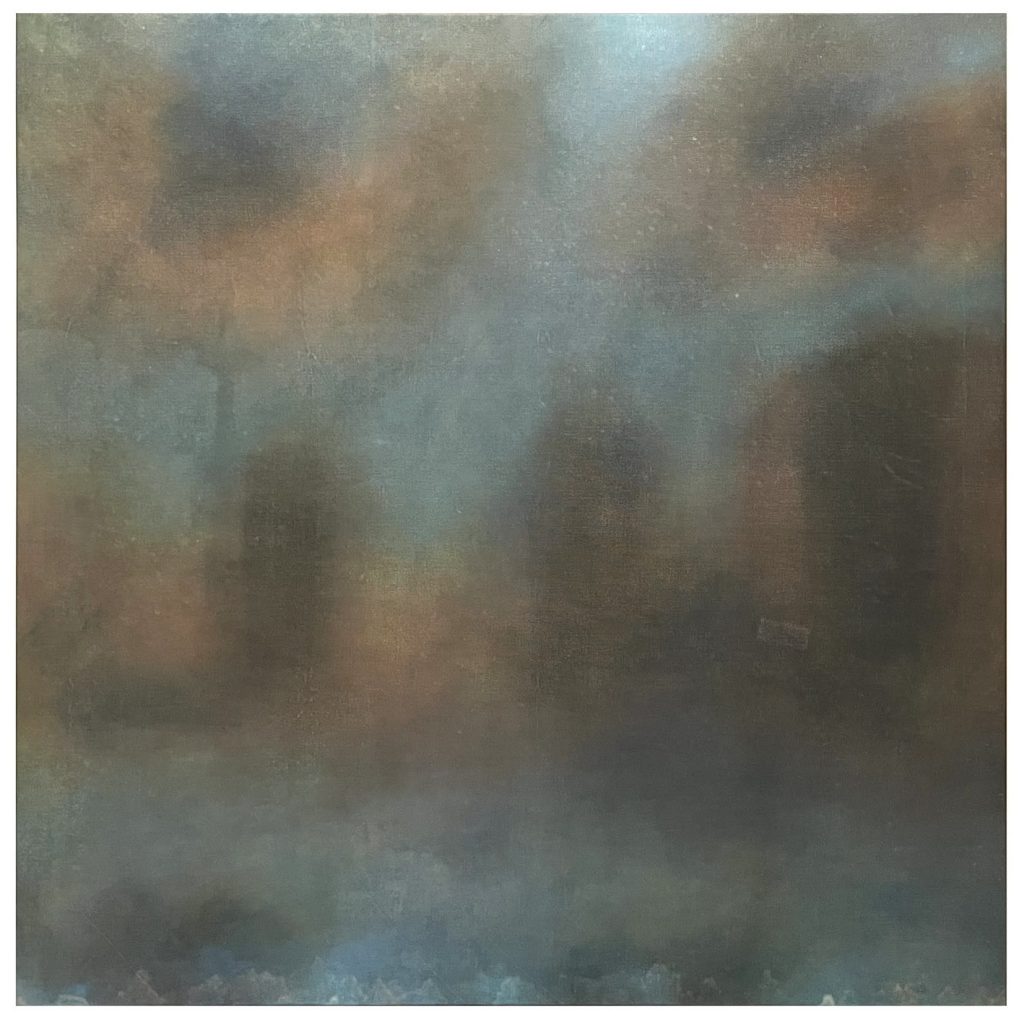
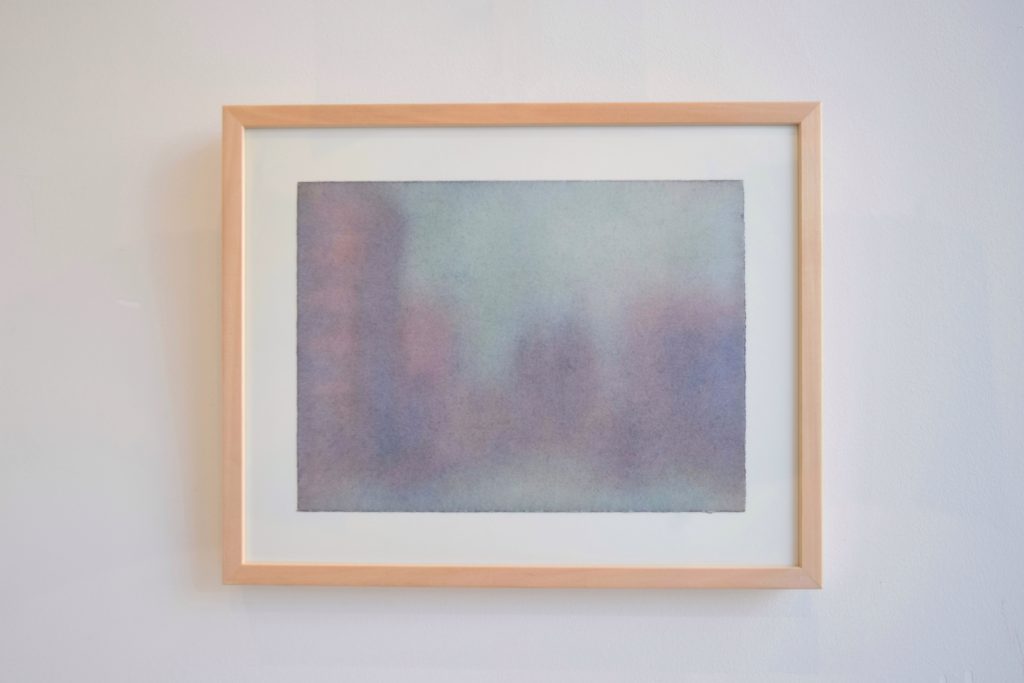
Matteo De Marco è studente presso la prestigiosa Accademia di Belle Arti di Brera di Milano. Attraverso il suo particolare linguaggio pittorico, sviluppa un’astrazione indefinita, celando e al tempo stesso evocando scene di strade e edifici monumentali che emergono come immagini di una memoria in dissolvenza.
p: Raccontaci qualcosa di te, perché sappiamo ancora poco, se non che realizzi dipinti eccellenti. A che anno del tuo percorso di studi sei? Come definiresti il tuo linguaggio pittorico? … Dipingevi già da bambino?
MdM: Innanzitutto, ringrazio per i complimenti, venendo a noi; frequento attualmente il secondo anno del biennio di pittura all’Accademia di Brera. Per quanto riguarda il mio linguaggio pittorico, l’atmosfera tonale e la morbidezza dei suoi passaggi è frutto di un processo che vede l’accumularsi e stratificarsi dei miei interventi pittorici o grafici, non importa che sia segno o colore l’opera è frutto di questo processo e della ricerca teorica dalla quale derivano poi i soggetti. Sì, dipingevo da bambino ma ho cominciato a prendere sul serio l’attività pittorica a circa quattordici anni quando ho chiesto il trasferimento dal liceo scientifico a quello ad indirizzo artistico.
p: Abbiamo notato che partecipi a numerose esposizioni istituzionali collettive. Puoi raccontarci come riesci a trovare il tuo spazio all’interno di queste manifestazioni?
MdM: Da questo punto di vista devo ringraziare l’Accademia e i docenti che vi insegnano che apprezzano il mio lavoro e mi inseriscono in mostre collettive col patrocinio dell’istituzione
p: Puoi spiegare la tecnica che utilizzi e la scelta della palette cromatica, capace di trasmettere sensazioni di comfort e familiarità?
MdM: In generale le mie opere partono dal disegno, un disegno privato che difficilmente pubblico o metto in mostra, il disegno è spesso accompagnato da delle fotografie, spesso scattate fuori fuoco che mi allontanano dal soggetto rappresentato; a partire da questo materiale realizzo delle bozze cromatiche ad acquerello, ma anche ad olio, su degli scarti di carta o tela.
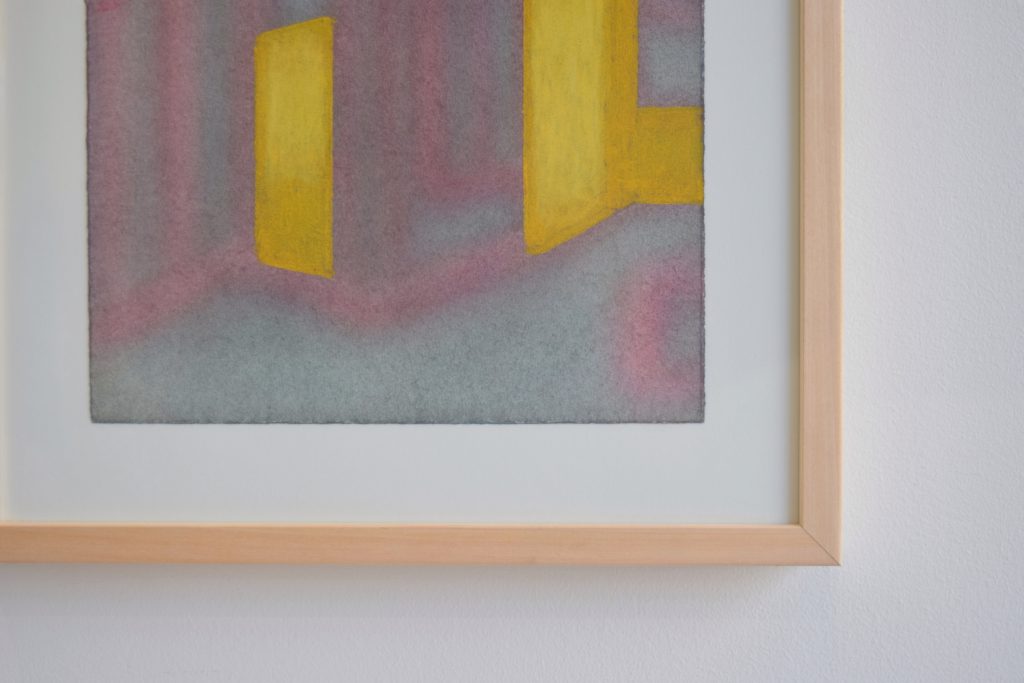
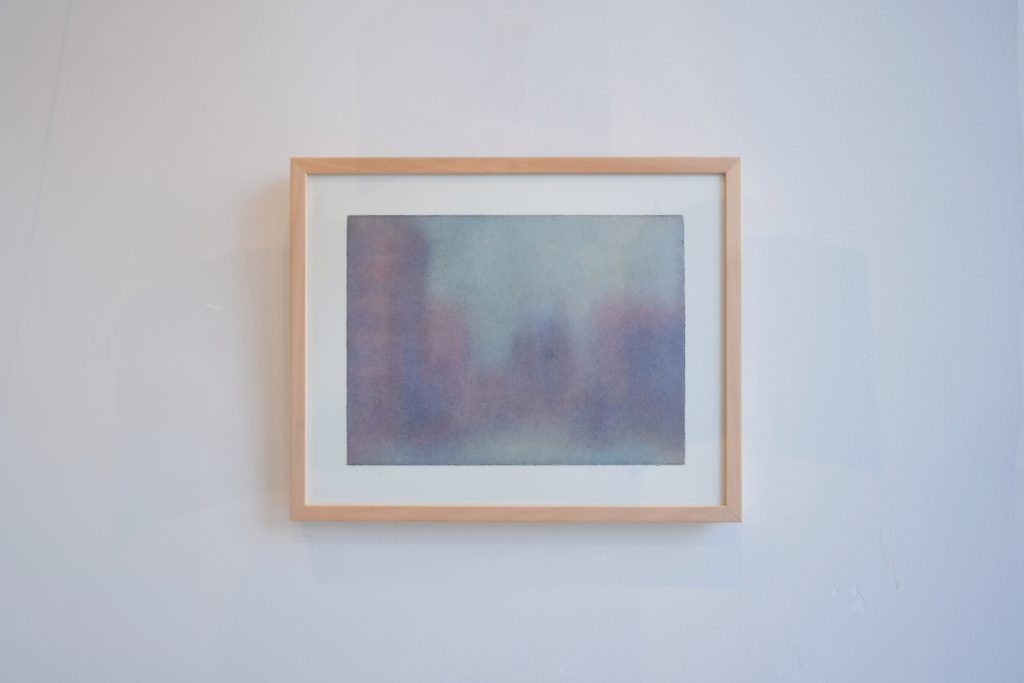
Successivamente arriva la realizzazione dell’opera in sé, utilizzo varie tecniche pittoriche ma prediligo l’acquerello su carta da stampa per il piccolo formato e l’olio per il grande formato, in sintesi procedo per entrambe le tecniche con lo stesso procedimento, ovvero la stratificazione di sottili strati di colore, che donano profondità, creano l’atmosfera e soprattutto soddisfano la mia necessità di tempo e contemplazione del lavoro che si sta generando davanti a me.
La palette cromatica è scelta sulla base del sentimento e dell’esperienza, accosto i colori, li scelgo, li mischio e li stratifico, tra i vari procedimenti osservo l’opera e penso ai colori che potrei utilizzare per ottenere la profondità e l’atmosfera del dipinto; poi ovviamente giocano un ruolo fondamentale le mie conoscenze tecniche sul colore.
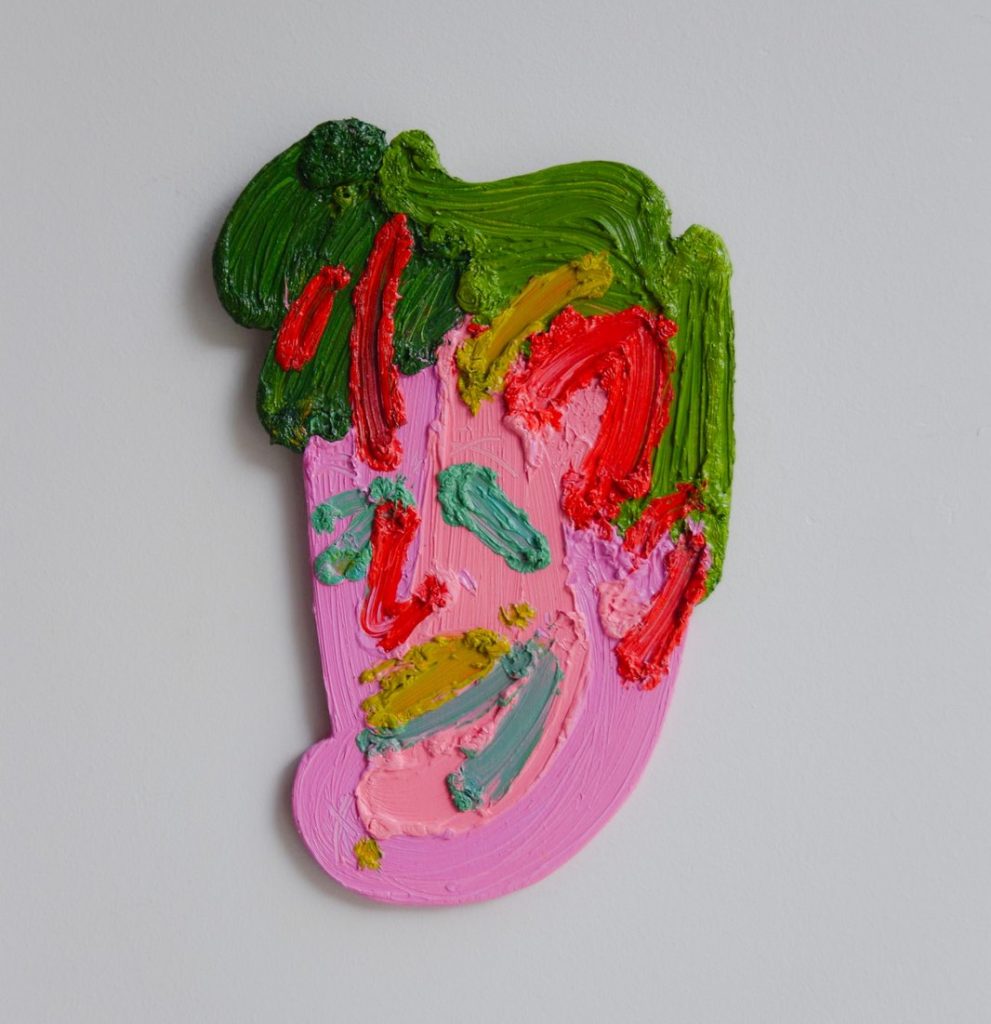
Siamo molto felici di rappresentarti attraverso la nostra galleria, dedicata a talenti emergenti di particolare rilievo, e di presentare il tuo lavoro sulla nostra piattaforma online. Qui puoi trovare il link per vedere i dipinti attualmente disponibili attraverso la nostra galleria.







 pioneri