Carmen Delgado: Nothing Prepares Us for a Painting
June 11, 2026
pioneri
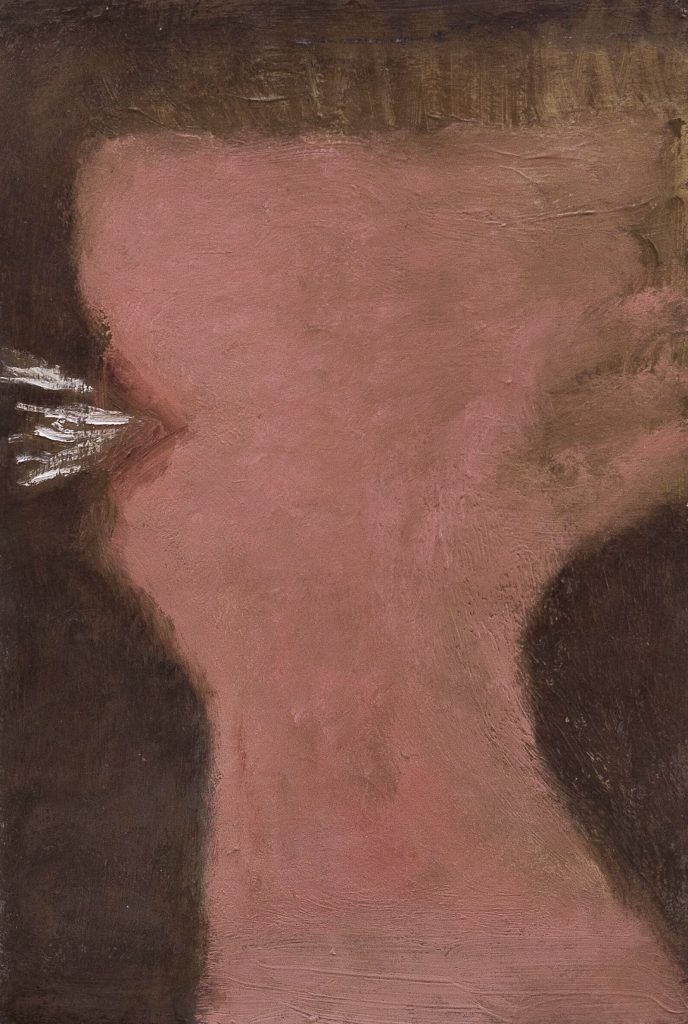
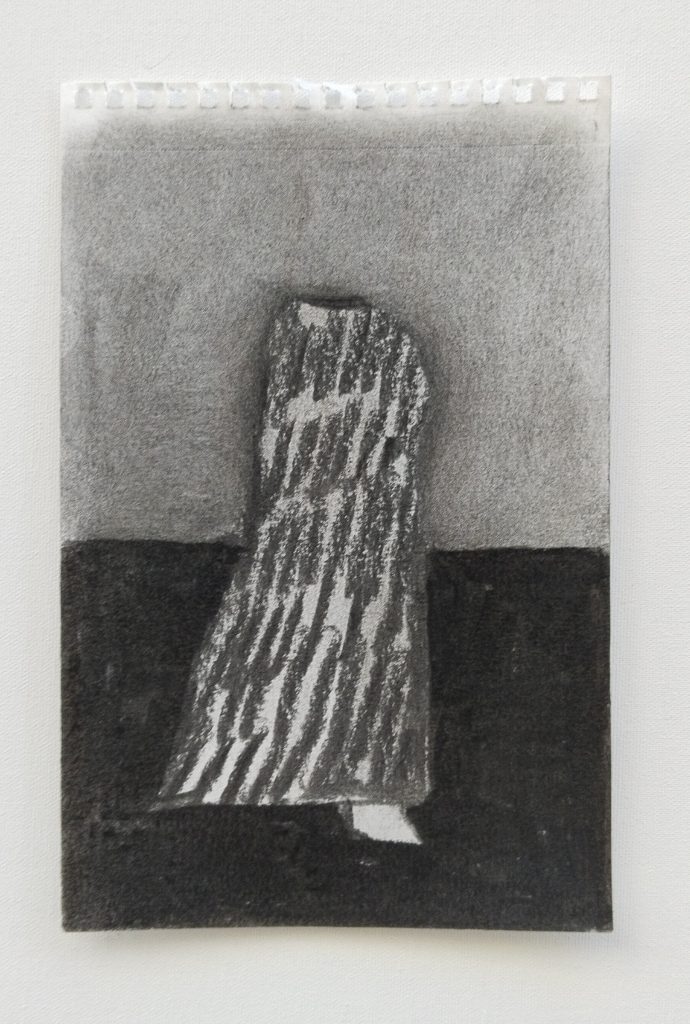
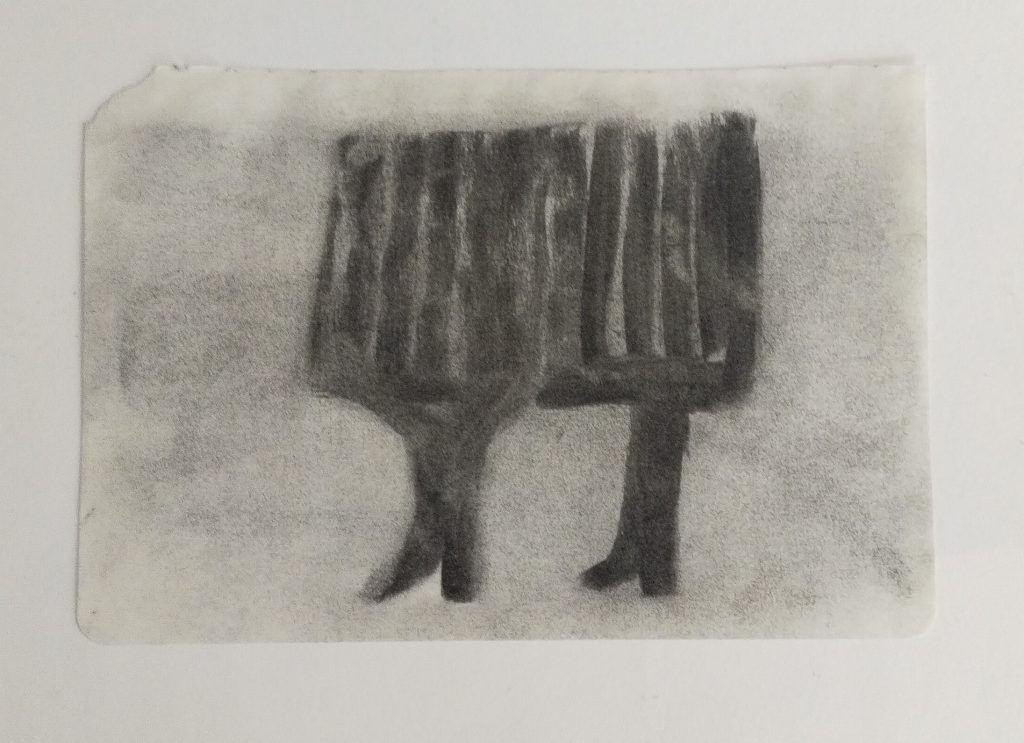
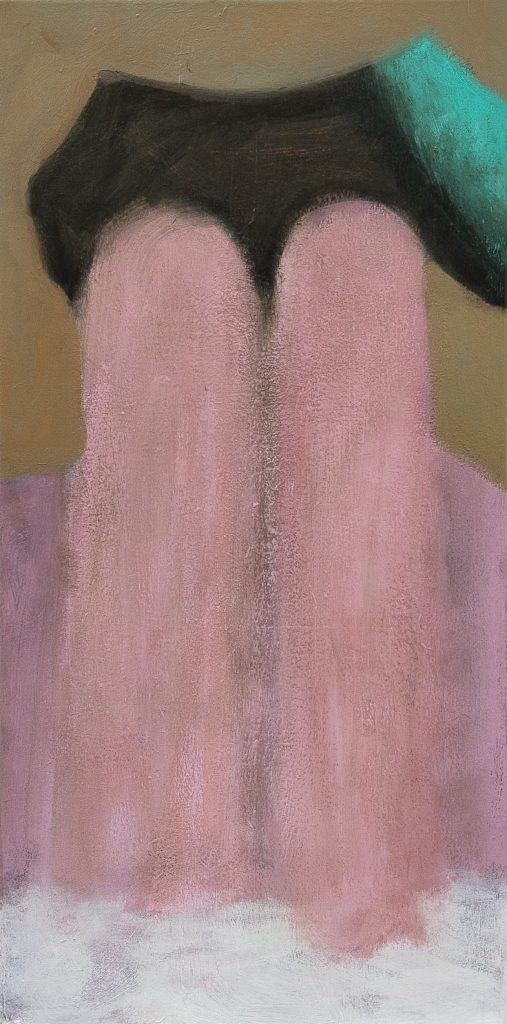
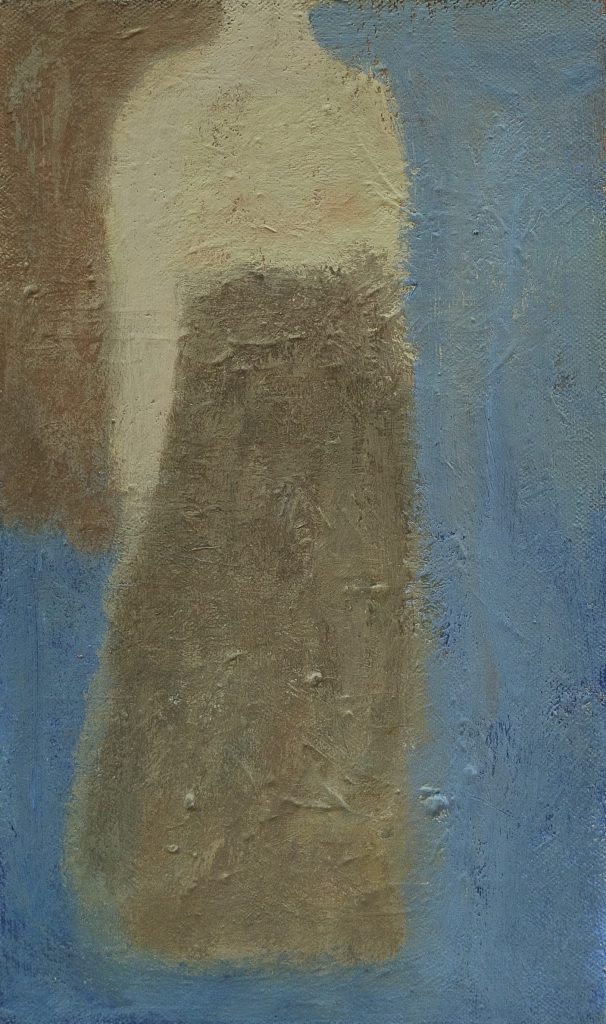
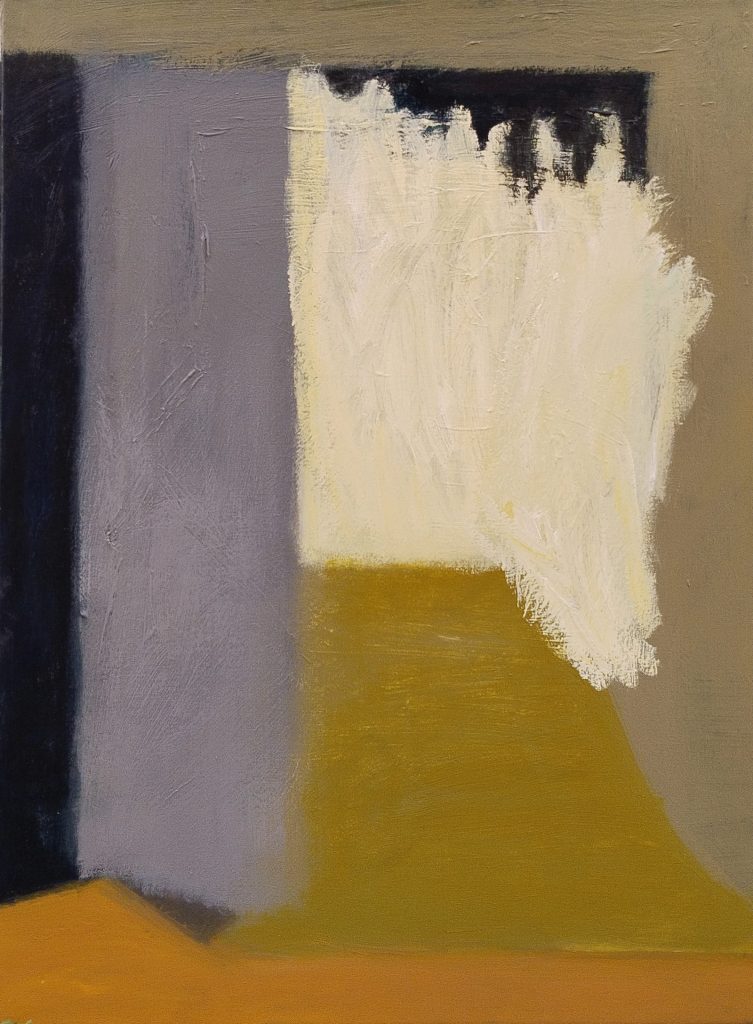
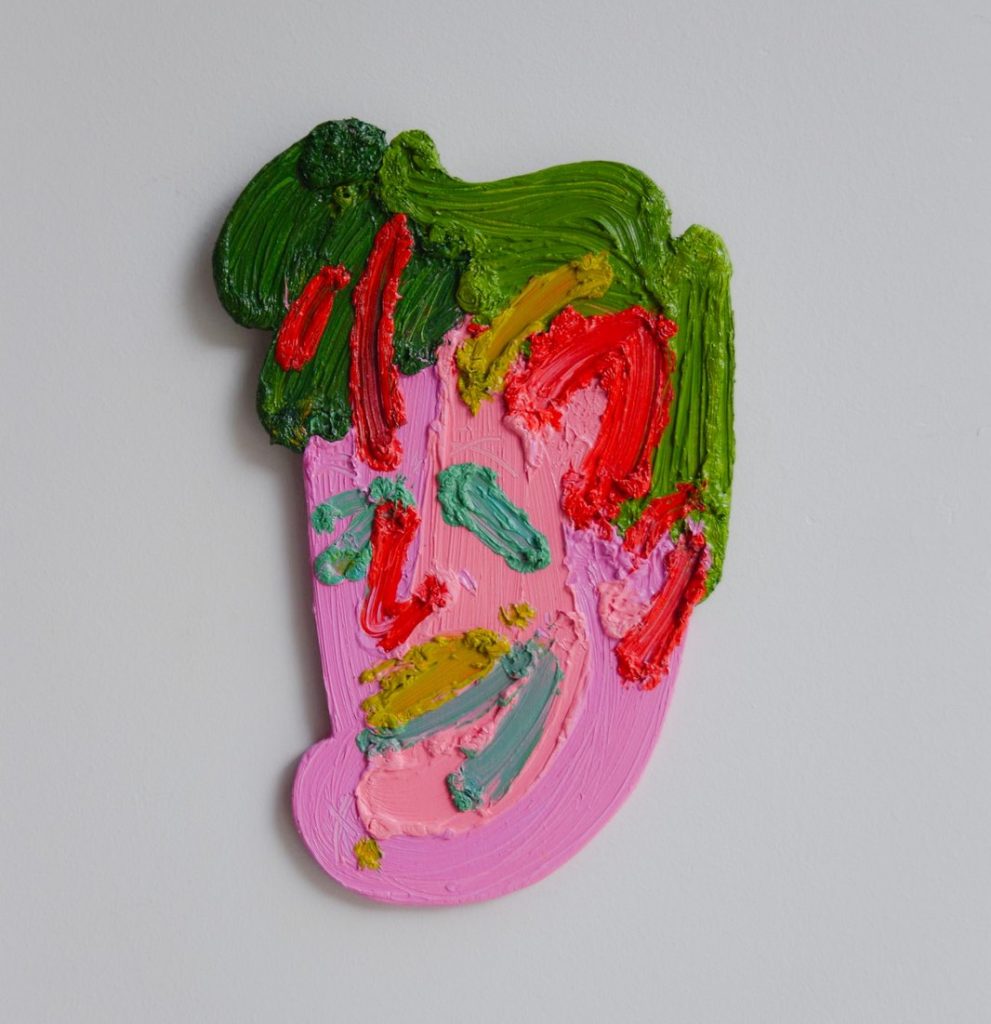
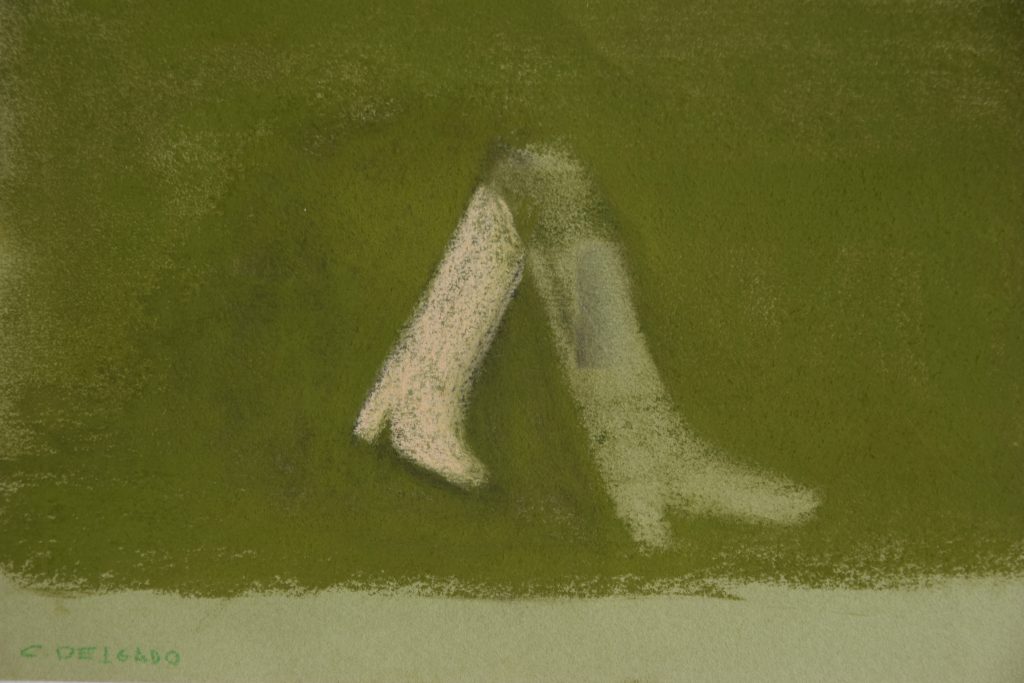
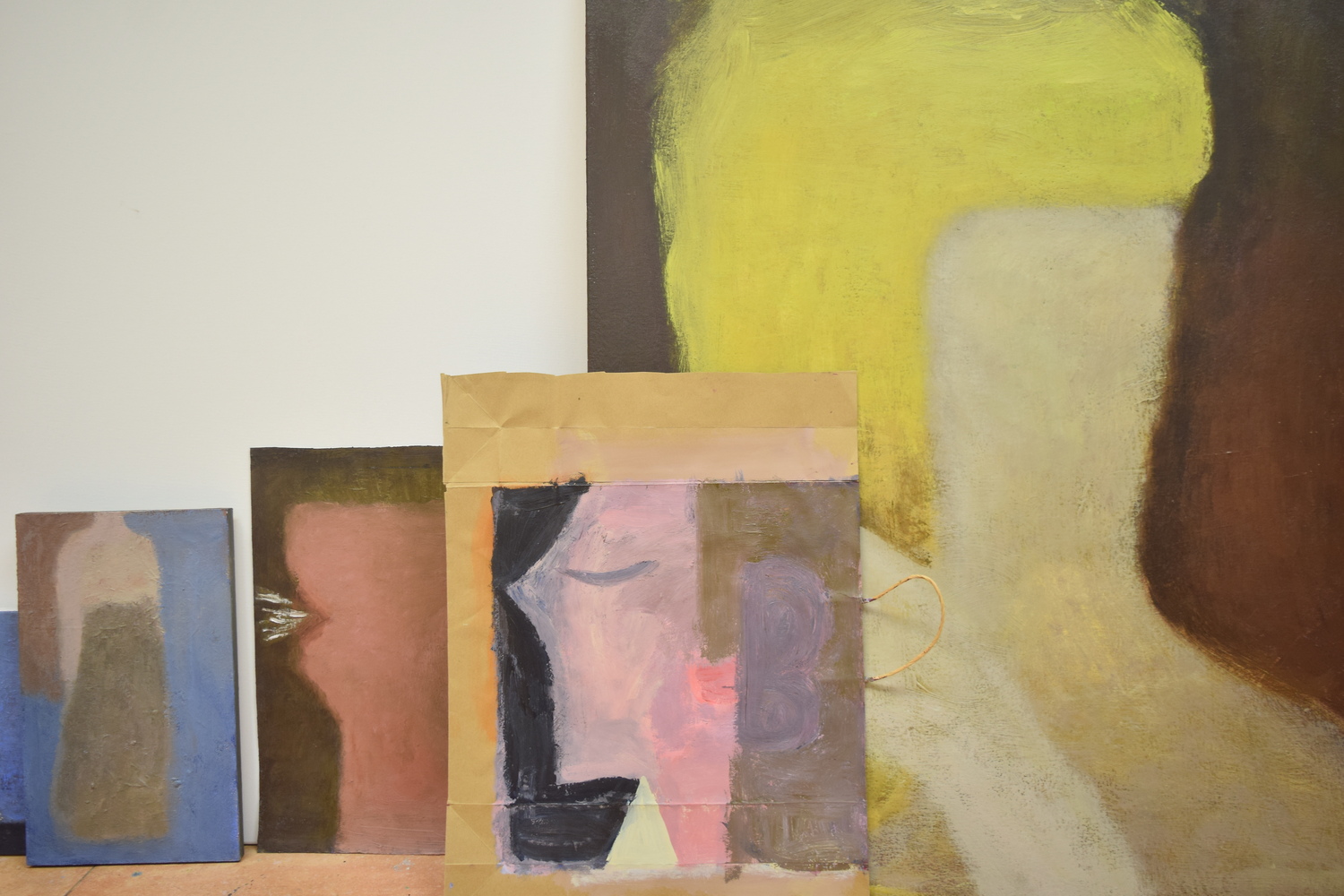
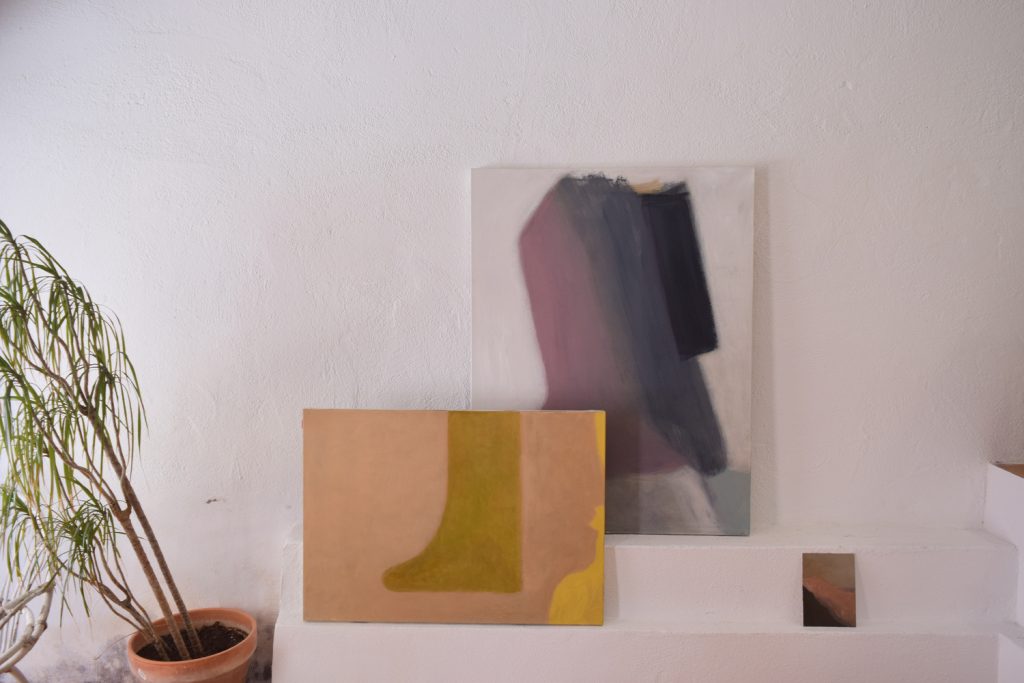
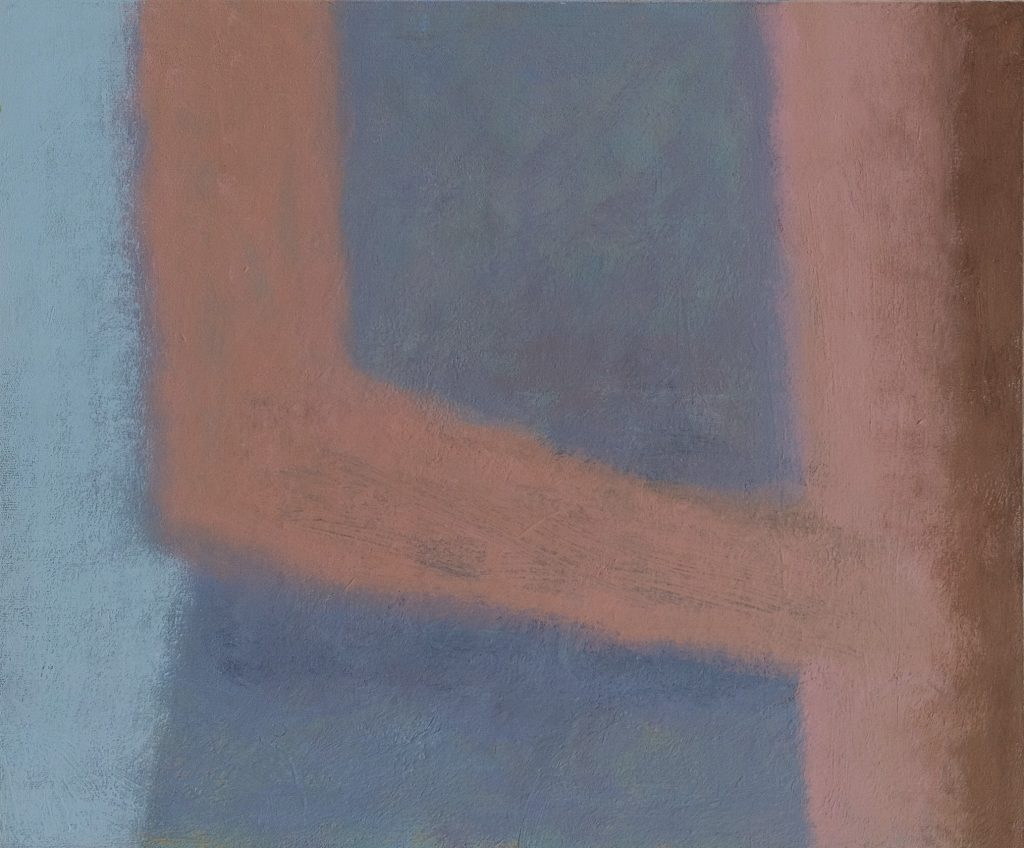
Carmen Delgado Huertas develops a painterly language shaped by inner experience and emotional perception, translating these states into color, texture, and gesture. Her figures are stripped of clear identity or narrative. They exist through inward presence rather than external context. This interiority unfolds through a series of recurring dualities: rigid postures coexist with delicate surfaces, long blue skirts are both garment and body, and hardened skin and stiffened hair soften through gestures of touch and care. Bare feet emerging from beneath heavy fabric, silent songs that can be seen but not heard, and figures suspended between strength and fragility create an atmosphere in which emotional states take physical form.
Rather than representing figures and spaces, Delgado paints them as places to inhabit. Her characters appear self-contained and inward-looking, affirming themselves quietly against the world while remaining immersed in mystery, intimacy, and the sacred.
Carmen Delgado on her practise:
“nothing else prepares us for poetry”
I like this statement by Mark Strand in his book The Secret Life of Poetry. It makes me think – the same is true of painting.
I also think: To write a text that truly speaks of painting—not just talk about a painting—I would have to be a poet. Only poetic language can express what painting says in its own language, because poetic language generates its own meaning, independent of things themselves. Everything else that is written is an approximation, an interpretation.
“nada nos prepara para la poesia”
Esta afirmación de Mark Strand, en su libro La vida secreta de la poesía me gusta mucho. Pienso – Igual pasa para la pintura.
También pienso: Para escribir un texto que diga, (no sólo hable) de pintura, tendría que ser poeta. Sólo el lenguaje poético puede decir lo que dice la pintura en el lenguaje que le es propio, porque el lenguaje poético suscita su propio sentido, independiente de las cosas. Lo demás que se escribe es un acercamiento, una interpretación.
On her relationship with Pioneri
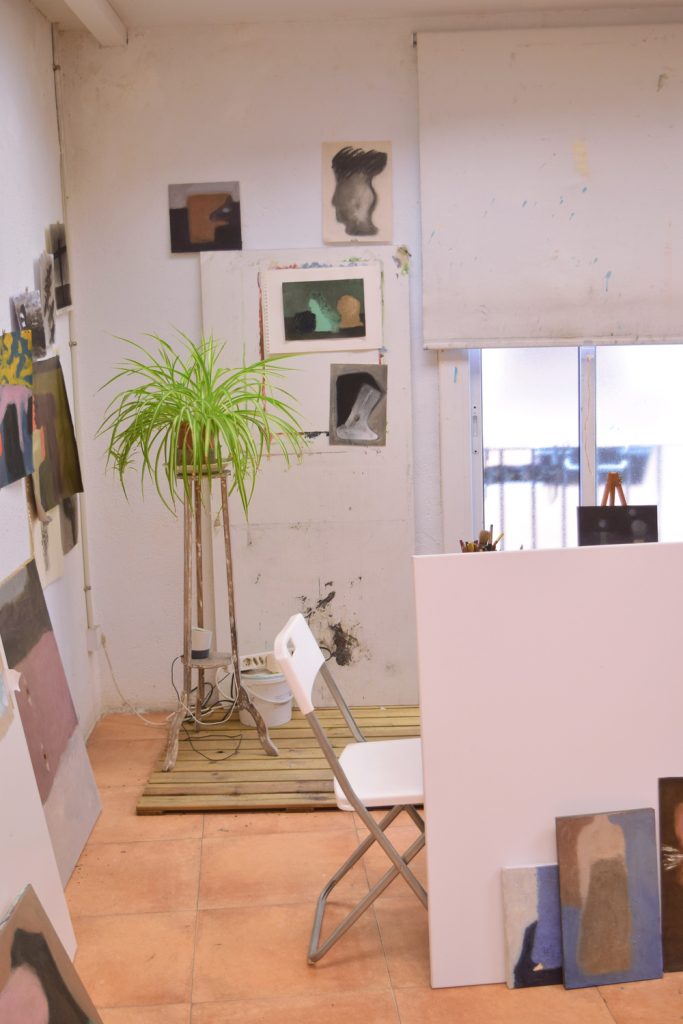
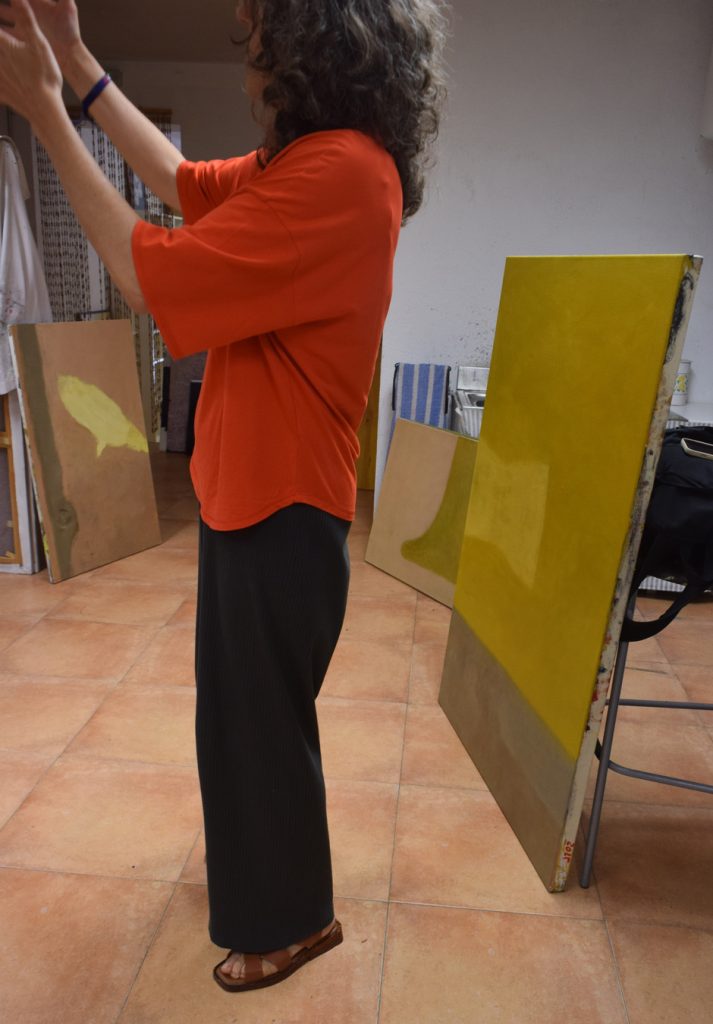
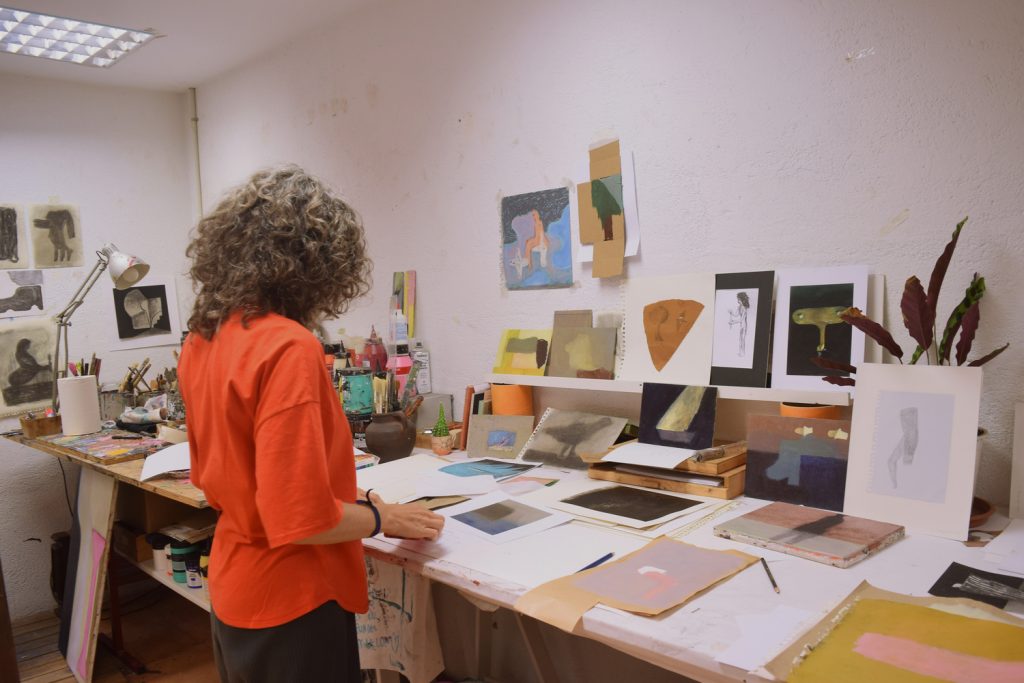
May 21, 2026. We are in the studio. Jana is looking at my paintings. Although we have known each other for some time, today is the first time we have met in person. She has come from far away to choose the works she wants to take to Santander. She is choosing them from the heart, and it is here—in the organ of the heart—that Jana and I meet. Near the chest, at the center of the body and deep within, in that place that embodies who we are.
She has experienced the underlying essence of my work, its intensity, and she moves among the paintings as though she could feel them breathing, with profound respect and care.
I am more attentive to what cannot be represented: silence, light, questions, anguish, love - because it has no form, and painting can give it one.
Painting from the heart allows me to experience that I am part of other things—a bumblebee, a river, a spring, or a starry sky. I can cease to be a tiny, solitary self, branded by both the good and the bad, and erase all the lines that isolate me and divide me into parts.
Although it constitutes me and I cannot escape it, the world of things that can be represented does not interest me.
Pintar desde el corazón me permite experimentar que formo parte de otras cosas, como un abejorro, un río, una fuente, o un cielo estrellado. Puedo dejar de ser un yo diminuto y solitario marcado a fuego por lo bueno y por lo malo, y borrar todas las lineas que me aislan y que me dividen en partes.
Aunque me constituye y no puedo escapar de él, el mundo de las cosas que se pueden representar no me interesa.